

Recent News and Updates:

General Information:

Summary Report 2006

Description of the Gas Disasters in Lakes Nyos and Monoun:

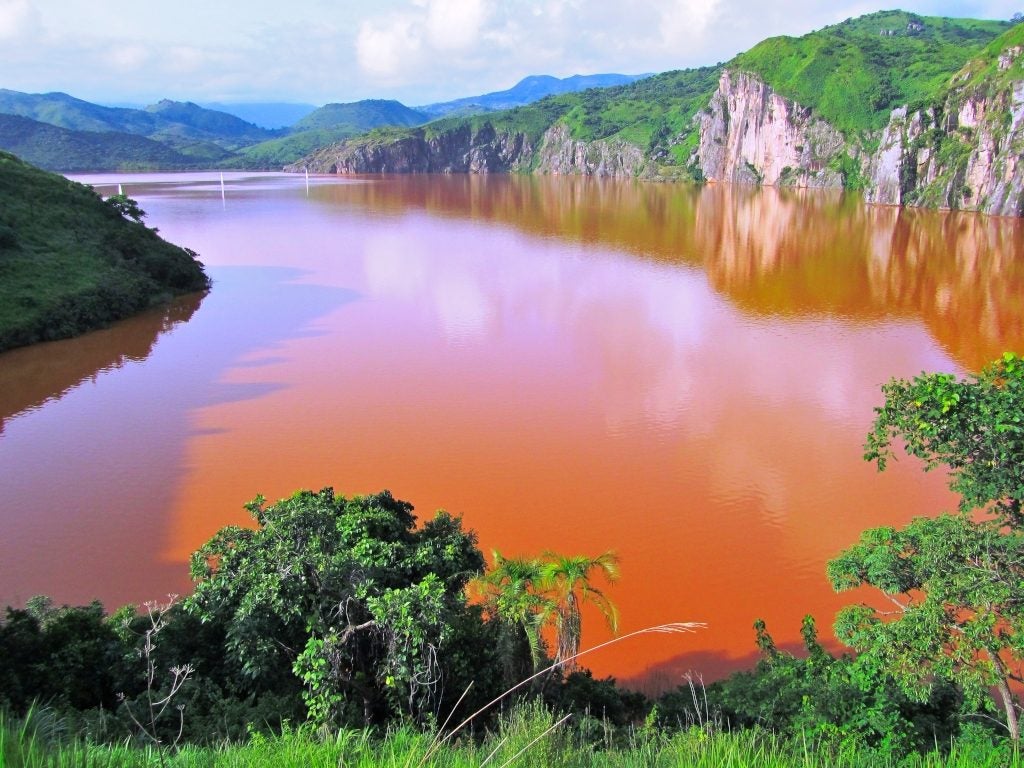
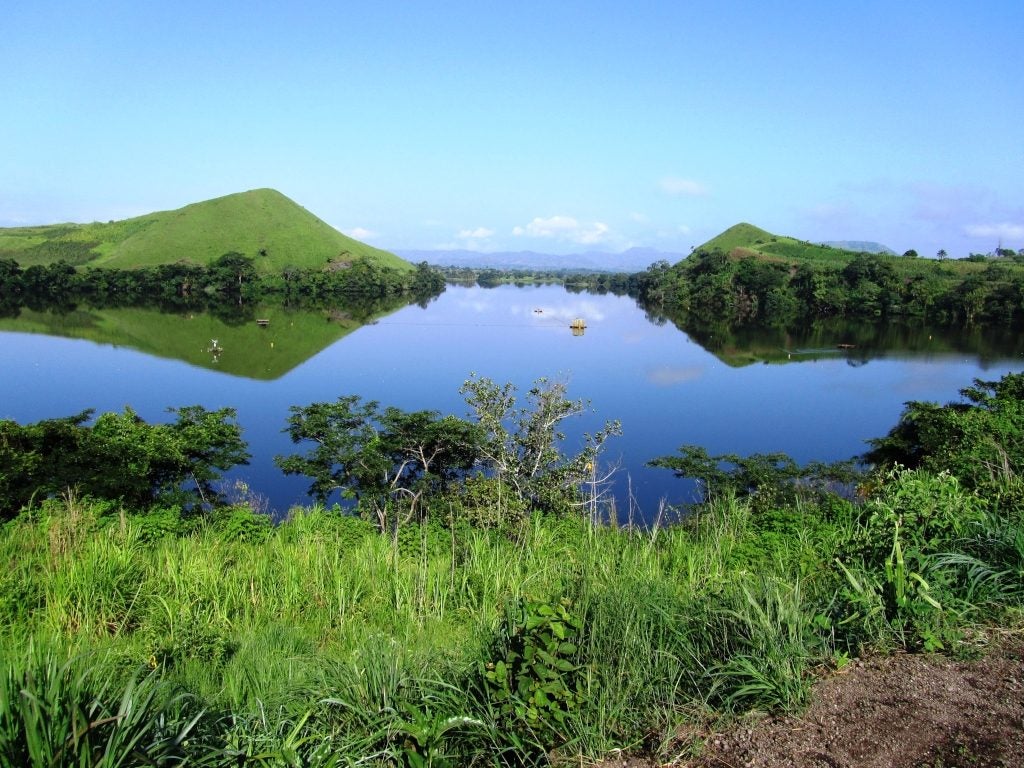
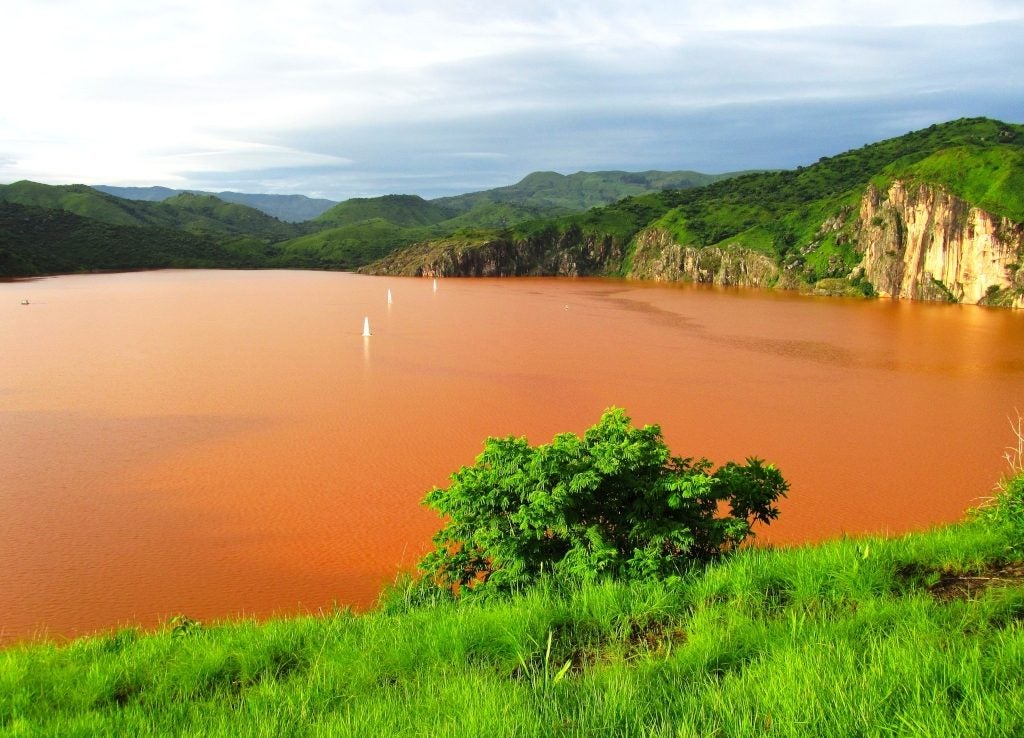
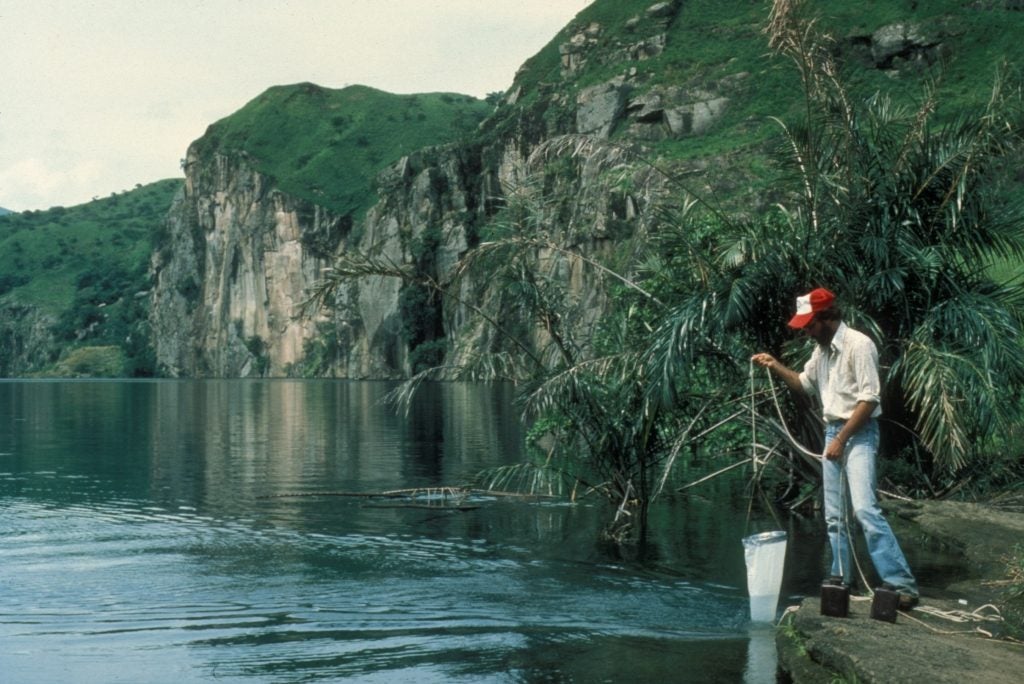
On 26 August 1986 an enormous volume of carbon dioxide (CO2) was released from Lake Nyos that killed about 1700 people. Two years earlier in Lake Monoun there was a smaller release of CO2 that killed 37 people. Two possible explanations for these events were originally proposed, and were centered around a limnologic hypothesis (limnology is the study of lakes and streams) and a volcanic eruption hypothesis. This rare natural disaster is complex, little understood, and difficult to study. Below and in the accompanying articles it is shown that these events were essentially limnological in origin, and that volcanic activity at the time of the events was absent.

 Here we briefly summarize the analyses and conclusions made by the American Scientific Team studying the event (see Kling et al., 1987, Science 236:169-175, and other Publications). On the basis of 14C, helium and 13C-CO2 data from dissolved gas in the lake it is apparent that most of the CO2 released during the event was magmatic in origin. However, undisturbed sediment and clear water at depth, low water temperatures, absence of acid gases, and the low sulfur nature of the system indicate that no major volcanic eruption occurred. Much if not all of the CO2 released was stored in the lake prior to the event. Accumulation of CO2 in the lake starts when CO2-rich gas of magmatic origin rises to the earth's surface and contacts groundwater; the CO2-charged groundwater is then discharged into the bottom of the lakes in springs. Oxygen and hydrogen isotope data plus the relative proportions of solutes in springs surrounding Lake Nyos suggest a common origin for ground and lake water. This common origin is consistent with the hypothesis of groundwater transfer of dissolved CO2 into the lake. In addition, measured values of 18O and 2H indicate that evaporative concentration is not responsible for the greater concentrations of major ions in Lake Nyos relative to other Cameroonian crater lakes. Post-event depth profiles of major ions imply that stable stratification existed before the release, and that only partial mixing of lake waters occurred during the release. Therefore, before the gas events these lakes were strongly stratified (surface and bottom waters do not mix), which allowed the gas that was being input in CO2-charged springs to buildup in the bottom waters of the lakes.

The trigger mechanism  responsible for the gas release from the lake is unknown but has received much speculation. We know of no data that require as explanation a single, specific trigger mechanism. In fact, if the partial pressure of CO2 (PCO2 ) levels were near saturation prior to the event, almost any physical process common in lakes could have moved water vertically enough to cause local oversaturation and thus initiate the release.  However, it is likely that a large landslide that entered the lake played a role in causing the lake stratification to break down enough to allow local oversaturation to initiate the gas release.

Pathological studies  indicated that victims rapidly lost consciousness and died of CO2 asphyxiation (CO2 concentrations above about 10% can be lethal). There was no evidence for chemical burns on victims or survivors as would be expected from volcanic sulfur gases. However, the skin lesions were in fact attributable to some combination of the following: (1) exposure to a direct heat source such as a cooking fire, (2) pressure sores from prolonged lying in a fixed position, (3) postmortem decomposition, and (4) sores that predated the event. Observed skin blisters were associated with extended unconsciousness, similar to symptoms found in comatose drug overdose patients.

The timing of the gas releases  is intriguing. Both the Lake Nyos and the Lake Monoun gas bursts occurred in August and were only two years apart. There are recent trends of decreasing air temperature and insolation relative to long-term means in this region of Cameroon. These trends suggest that weakening of lake stratification, coupled with a predictable yearly interval of reduced lake stability during August, may be responsible for the timing of these events.

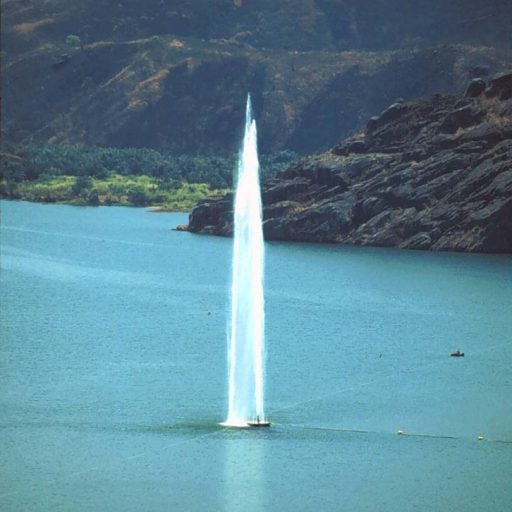
These lakes are still dangerous.   Both Lakes Nyos and Monoun contain more gas at present than was released during the gas disasters. And the gas concentrations in the lakes as well as the total amounts of gas in the lakes are increasing (see the Nature report on Rates of Gas Buildup and Degassing Strategy). 

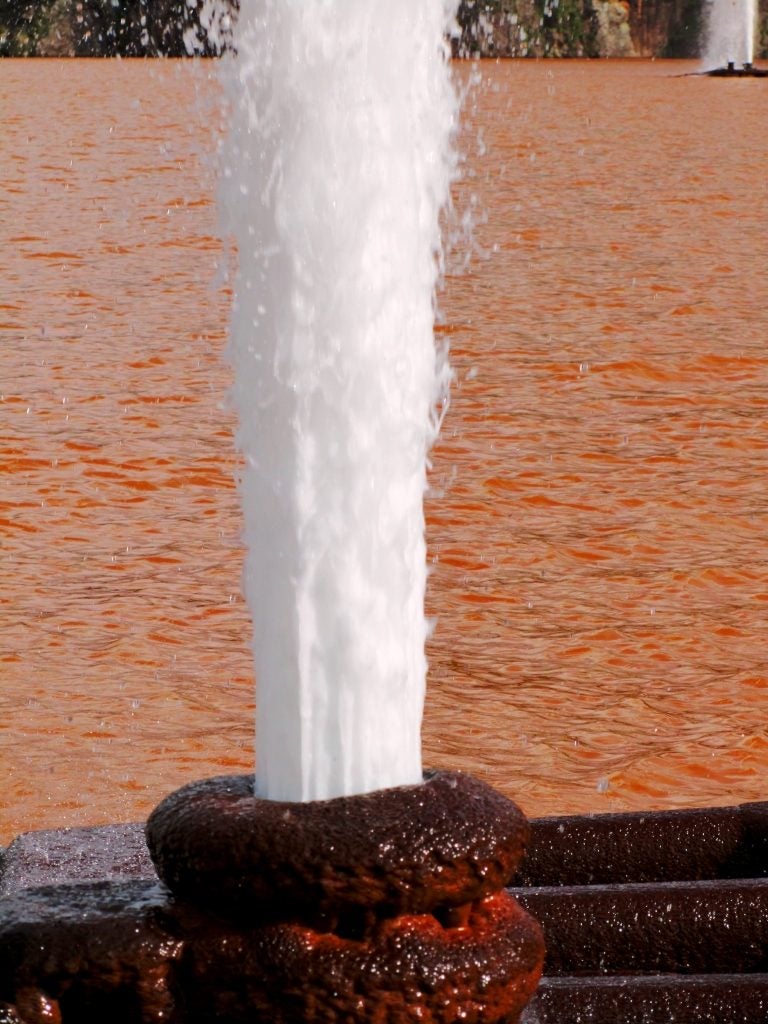
Because of this, plans for degassing have been implemented, and the results are presented in several formats:  see the 2005 PNAS publication on the status of degassing , an the final report of the NMDP project in the 2006 Field Investigation.


Other Links of Interest (links leave this site):

VolcanoWorld's summary of Lake Nyos

Science of Volcanic Lakes

Database on Volcanic Lakes

"Beautiful Deadly Lake Nyos" - Anthropological Report

The Lake Nyos Demo

Lake Nyos degassing project - UNESCO 1992

American Society of Limnology and Oceanography (ASLO)

North American Lake Management Society (NALMS)

American Geophysical Union (AGU)

French Overseas Research Organization (ORSTOM)

Volcano World and Volcano World's two cents worth

Degassing Project -- French/U.S./Cameroonian

The Electronic Volcano

Survivors: Lake Nyos and Oklahoma City

Smithsonian Institution's Global Volcanism Program

Hot Springs of the World


Suggestions - please send information or suggestions to George Kling at gwk@umich.edu

Last Updated: January 2007